Boğaziçi University
History & Legacy
Boğaziçi University has deep historical roots: it evolved from Robert College, the first American college founded outside the United States (1863). In 1971, the higher-education section of Robert College was transformed into the modern Boğaziçi University, giving it a unique legacy that blends Western-style liberal education with Turkish public-university heritage.
Academic Culture & Research
Boğaziçi University is known for its strong research culture, interdisciplinary approach, and high academic standards. It offers a wide range of undergraduate and graduate programs, especially in engineering, natural sciences, social sciences, humanities, and education. Its faculty are active in international research, and the university has increasingly focused on research quality, producing work that is globally recognized. The institution’s growth strategy emphasizes not just research output but strong university–industry collaboration, which THE highlighted in its 2024 and 2026 rankings.
Internationalization & Language
English is widely used in instruction, especially in many departments, reflecting Boğaziçi’s historical legacy and international orientation. The university attracts students from various countries, though the proportion of international students remains relatively modest compared to global universities. The relatively low tuition for foreign students (in Turkish Lira) can make it an attractive option for international students who can manage living costs in Istanbul.
Campus & Student Life
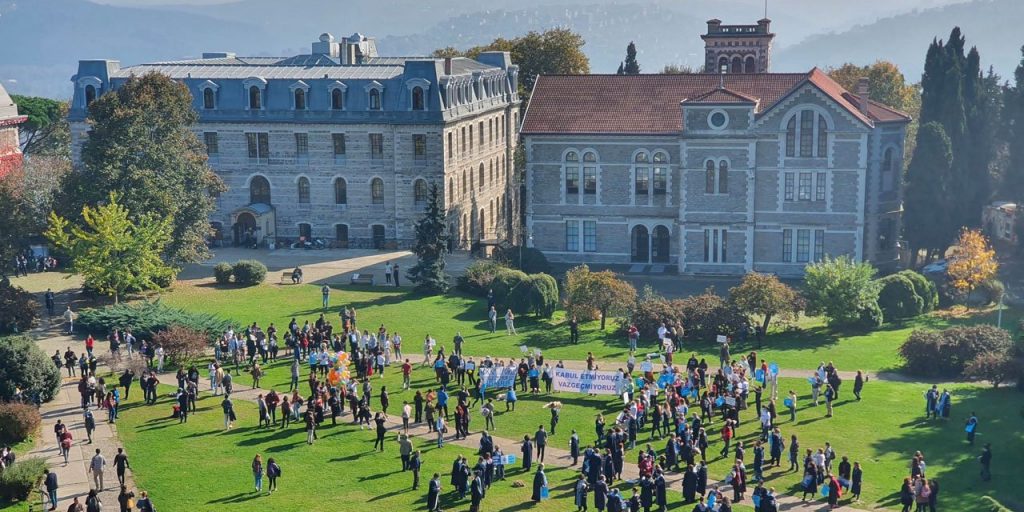
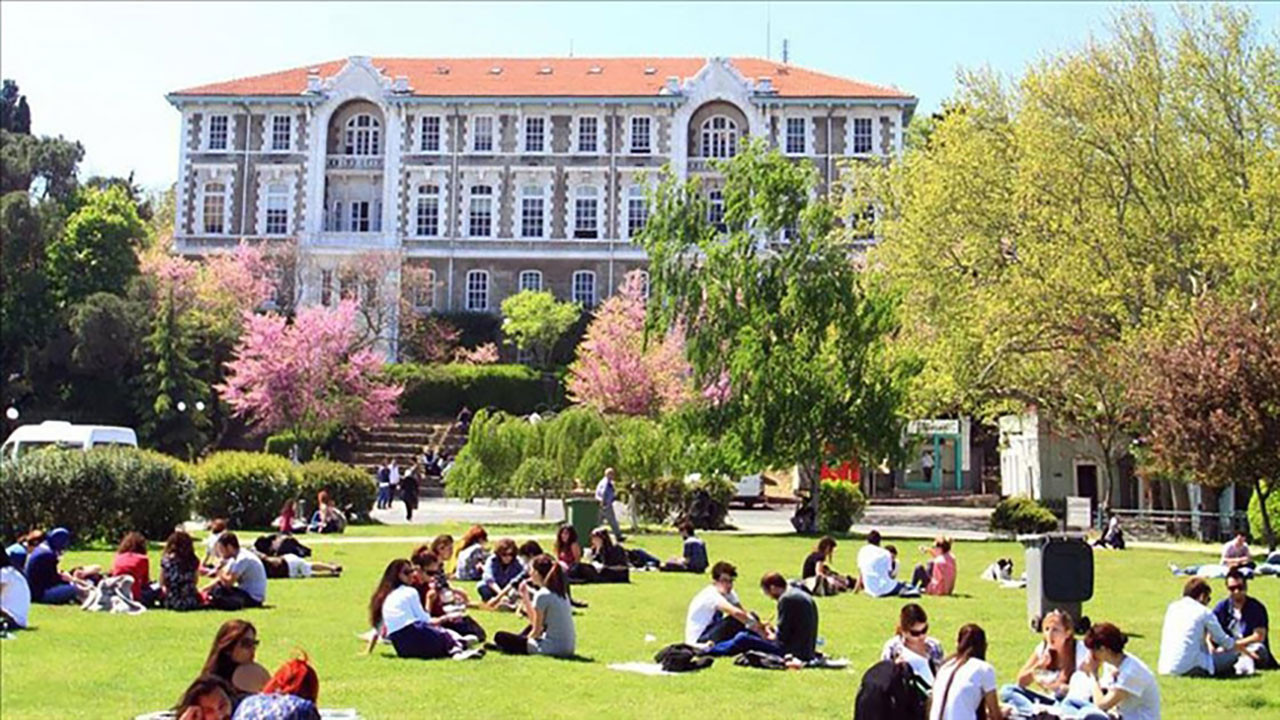
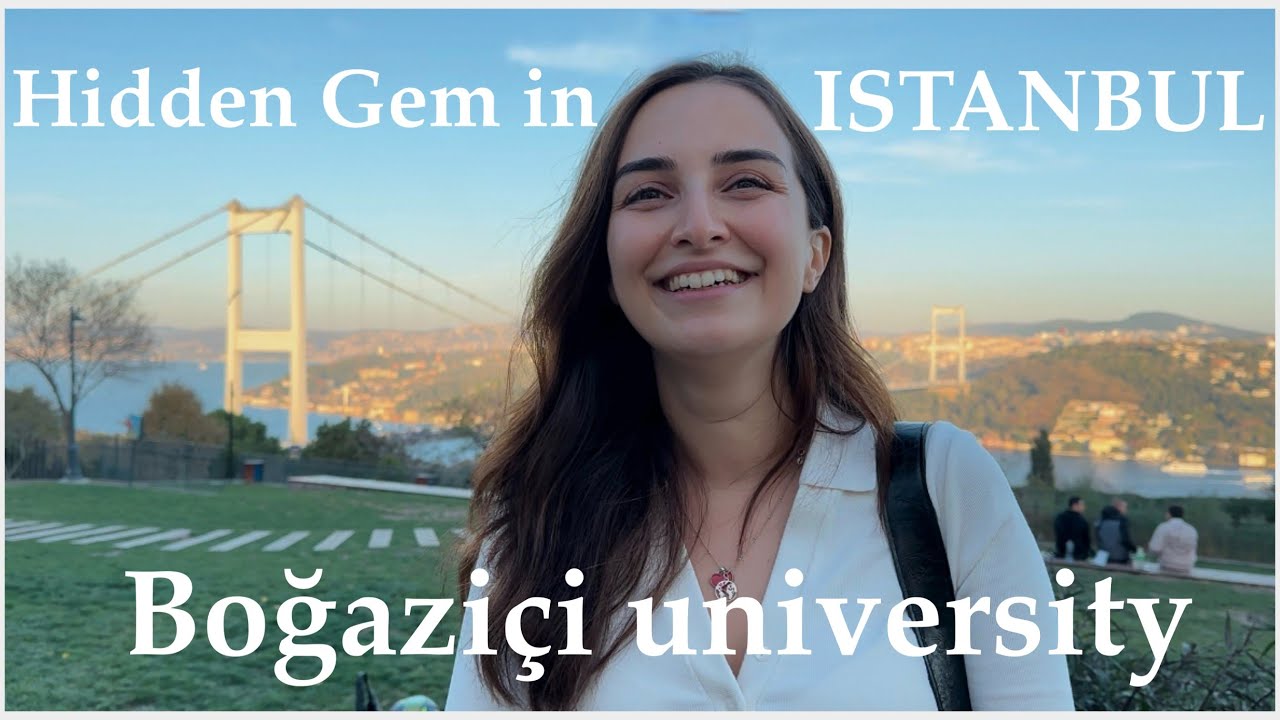
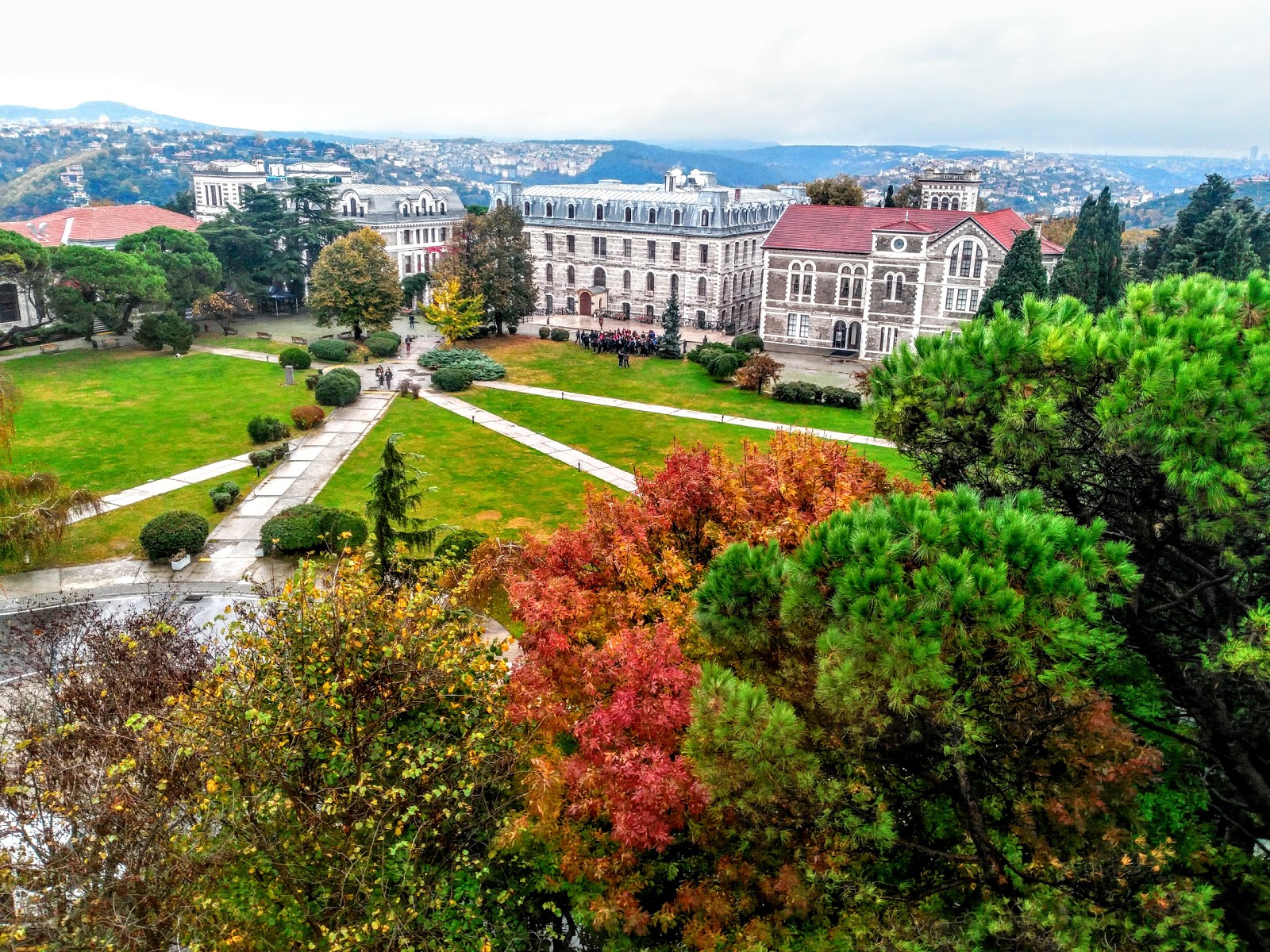
The Boğaziçi campus is scenic and historically rich, located on the European side of Istanbul overlooking the Bosphorus. The campus architecture blends neo-classical and modern styles, with tree-lined paths, historic buildings, and green spaces that foster a strong student community. Student life is vibrant: there are many student clubs (art, research, social), and a strong student activism culture. According to reports from students, social life is engaging, with many bright, intellectually curious students, and a “work hard, play hard” ethos.